 Long
Long
cnc turning-tec
CNC Turning Services

With access to a network of over 10,000 manufacturers worldwide with CNC lathes and turning centers, Xometry provides you with the capacity and capabilities for your project needs, while also delivering the most competitive pricing and lead times.
Our machine learning-trained technology also provides instant manufacturability feedback to ensure that your part fits the requirements you need and is optimized for the CNC turning process. Our on-demand manufacturing platform can deliver high-quality metal or plastic turned parts in an amount from a single prototype up to hundreds of thousands of parts.
cnc turning-Adv
Advantages of CNC Turning with Xometry

Rapid Turnaround
Using the latest CNC machines, Xometry produces highly accurate, quick turn parts in as fast as 10 days.

Precision
Xometry offers various tolerance options in accordance with ISO 2768 (Standard, Fine) and ISO 286 (Grades 8, 7, 6)

Custom Finishes
Select from a variety of finishes on solid metal and plastic parts, built to precise design specifications.

Material Selection
Choose from over 30 metal and plastic materials. CNC Machining offers a wide variety of certified materials.

Any Size
You can order CNC turned parts up to D-500 mm, L-4500 mm.

Quality Control
Our QA department performs strong quality assurance.
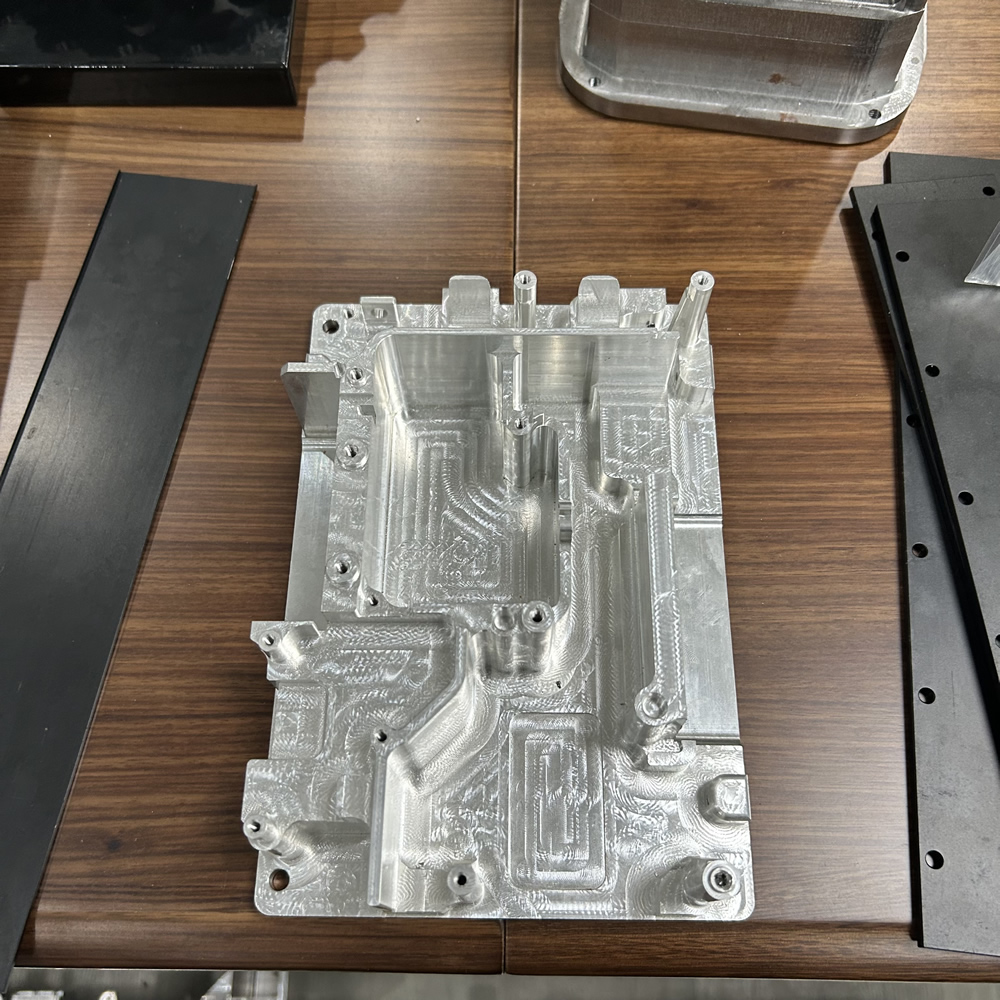
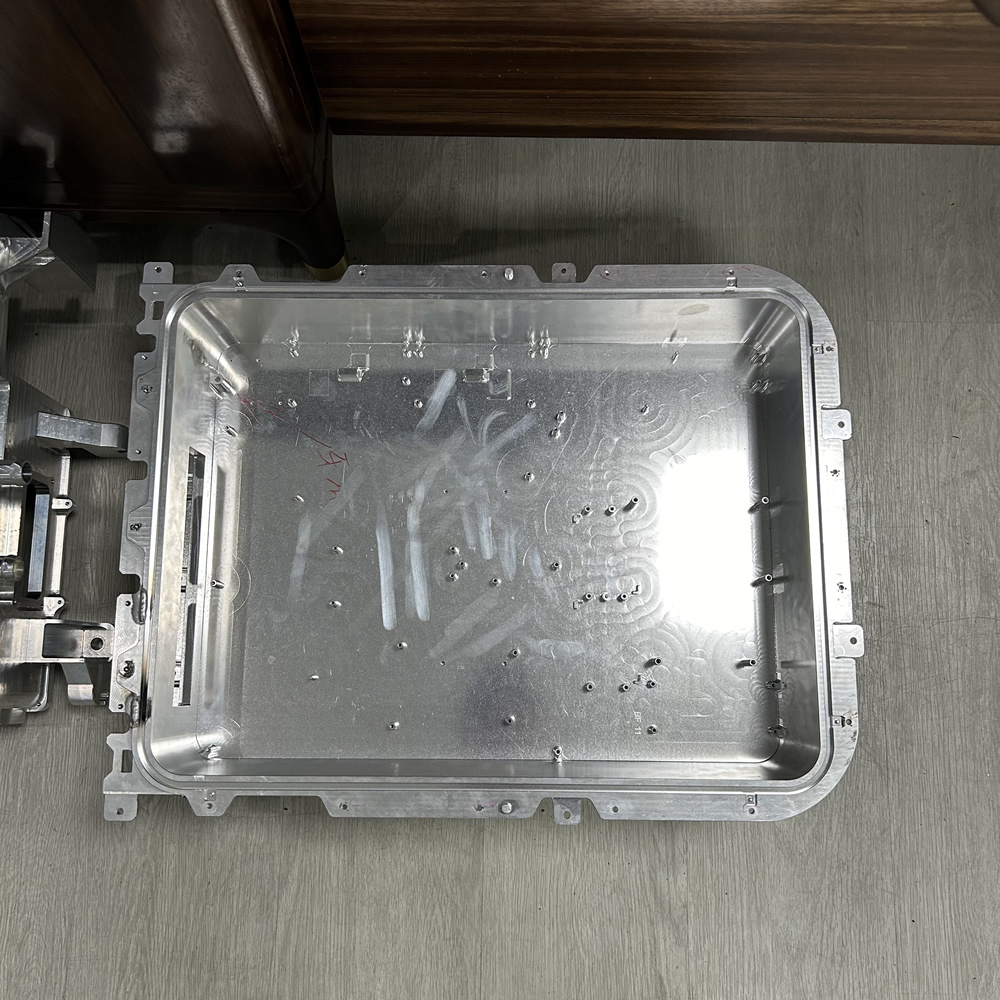
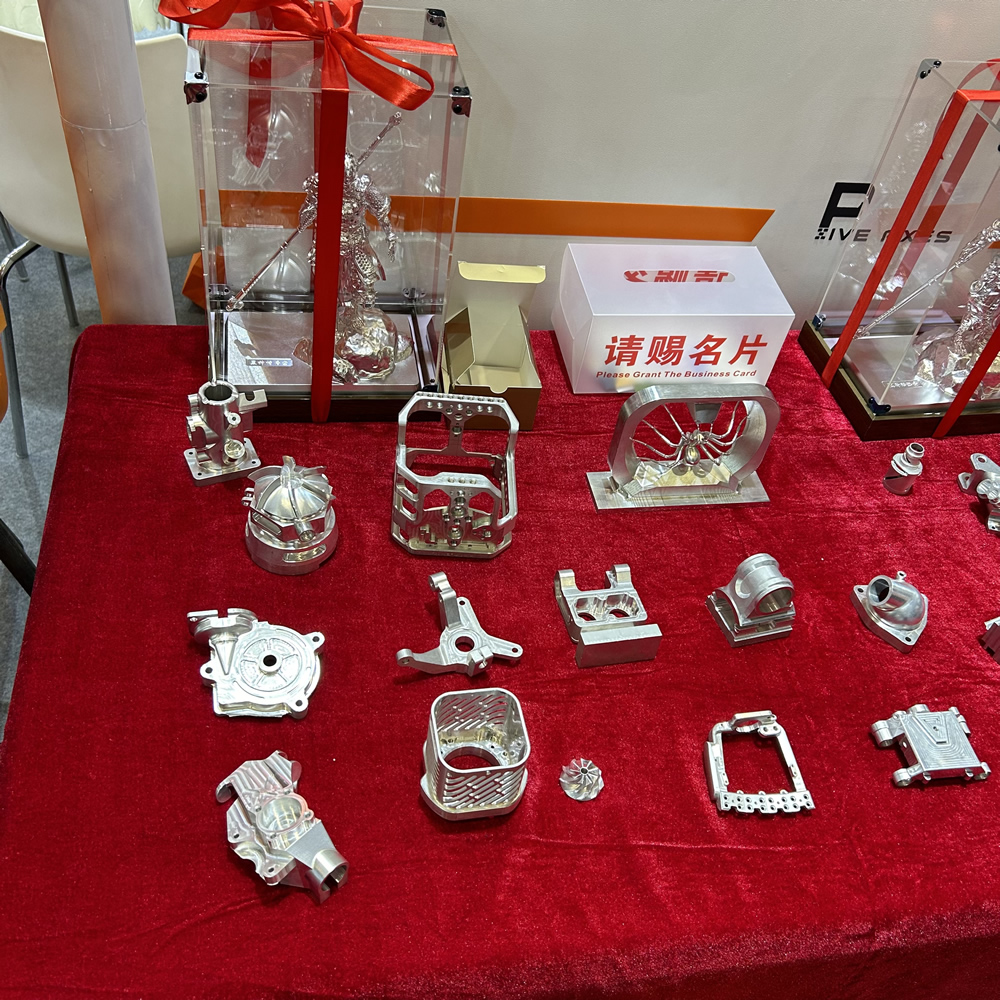
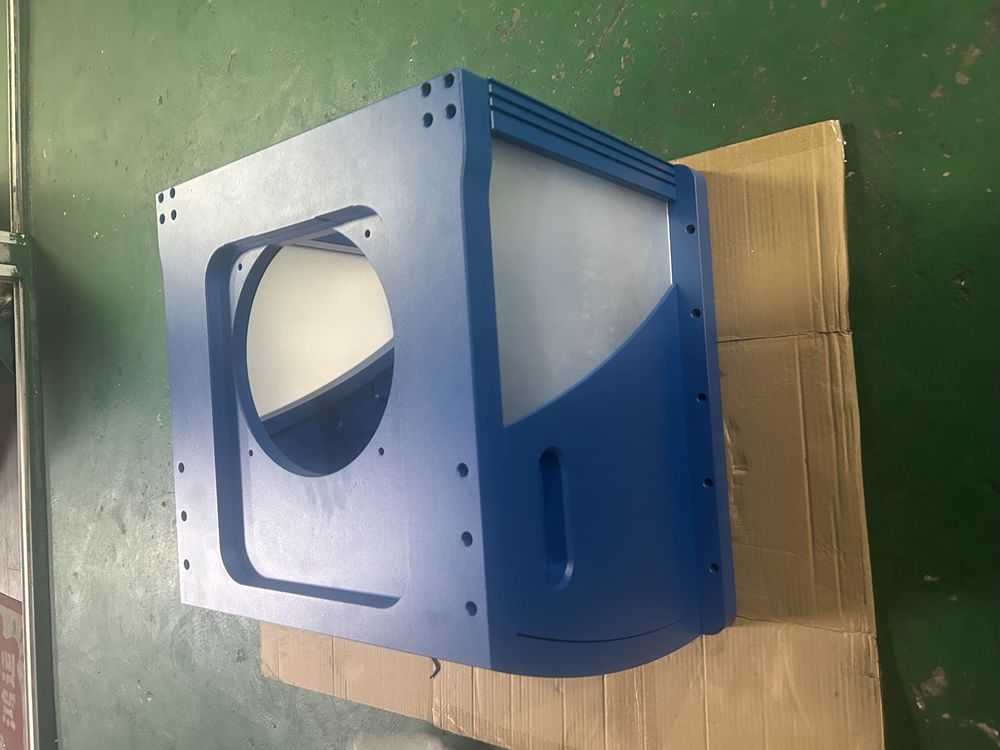
Gallery of CNC Machined Parts



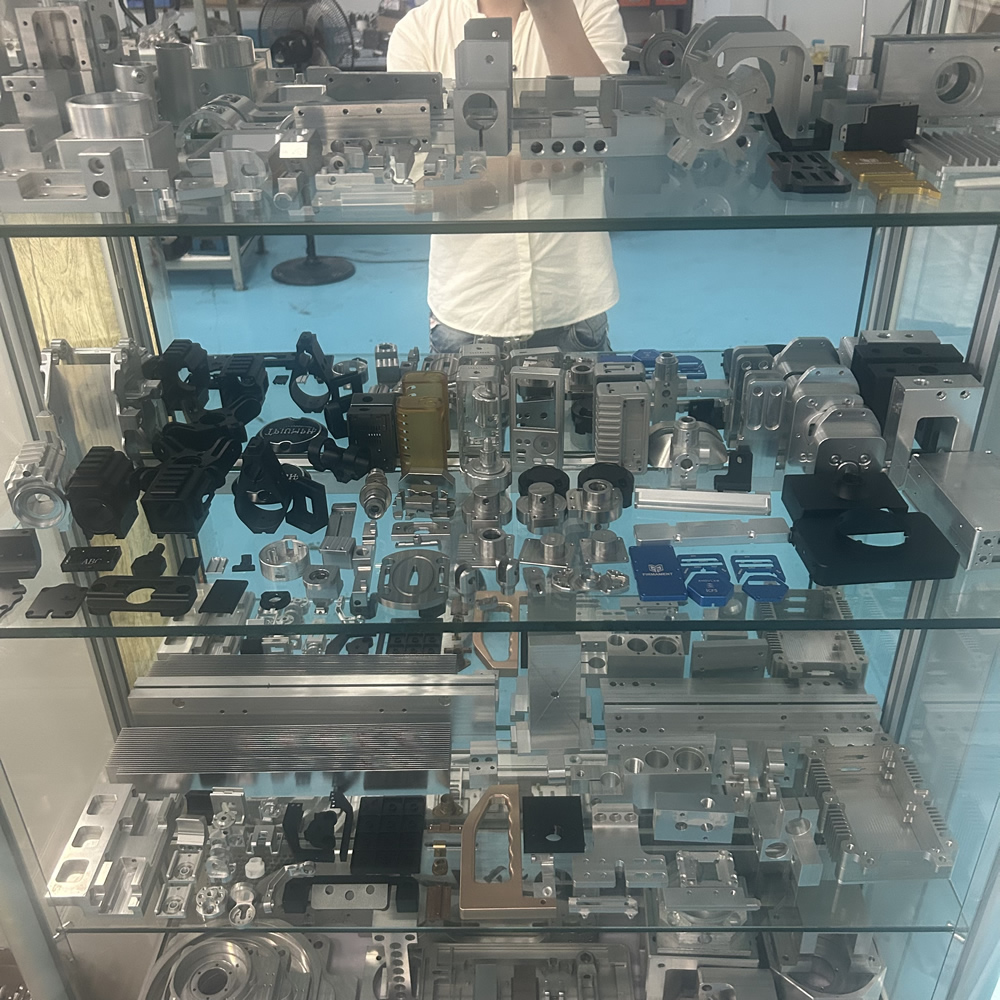


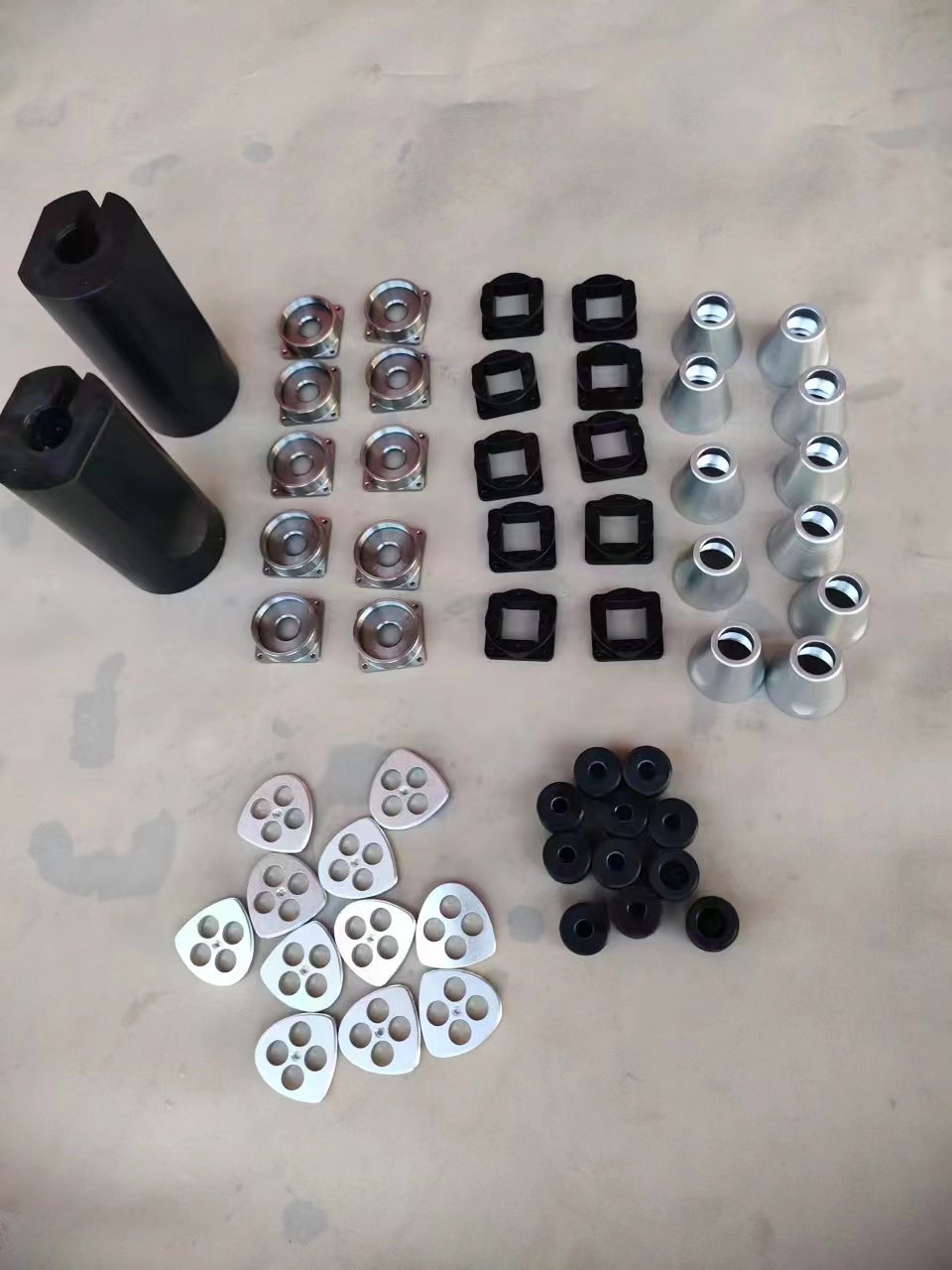
cnc turning-mat
CNC Turning Materials
Aluminium
Steel & Stainless Steel
Steel:
- 1.0038 / St37-K / S235JR
- 1.0503 / C45
- 1.0570 / St52-3 / S355J2G3
Custom steel alloys are also available
Stainless Steel:
- 1.4301 / X5CrNi18.10(V2A)
- 1.4404 / X2CrNiMo17-12-2 (V4A)
- 1.4571 / X6CrNiMoTi17-12-2
- 1.7131 / 16MnCr5
- 1.7225 / 42CrMo4
Custom stainless steel alloys are also available
Copper & Brass
- 2.0060 / E-Cu57 / Cu-ETP / CW004A
- 2.0065 / E-Cu58 / CW004A
- Ms58 / 2.0401 / CuZn39Pb3
Custom copper and brass alloys are also available
Titanium
- Grade 2 / EN 3.7035
- Grade 5 / 6AL-4V9
Polymers
- ABS
- Acrylic
- Acetal / Delrin / POM
- Nylon / Polycaprolactam
- PC / Polycarbonate
- PEEK / Polyether ether ketone
- PEEK Glass-Filled
- PP Polypropylene
- PTFE / Teflon
- PVDF
- UHMW PE / Ultra-high-molecular-weight polyethylene
Custom polymers are also available
cnc turning-Fin
Finishing Options for CNC Machining


- Aluminium is typically anodised
- Anodised coatings are not electrically conductive
- Possibility of requesting custom colours (RAL)


Powder coating
Provides a continuous, protective color finish on parts using evenly applied, heat-cured paint. The finish is usually tougher and even compared to conventional painting. Metals like aluminium and steel can be efficiently coated with polymer powders.


Passivation
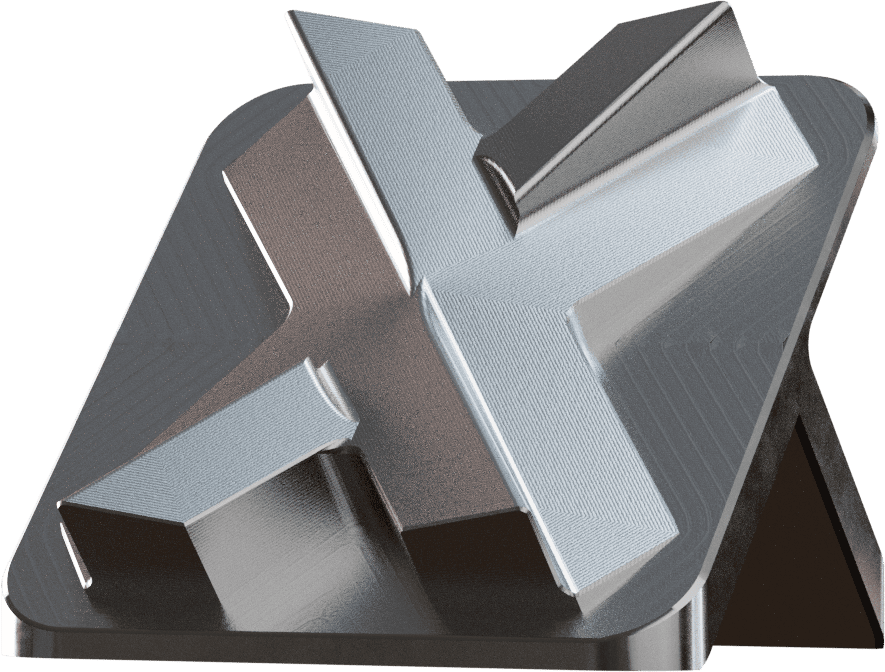
A colorless coating that improves corrosion resistance for 200 and 300 series and precipitation hardened corrosion-resistant steels by removing free iron from the surface.
Electroless nickel plating
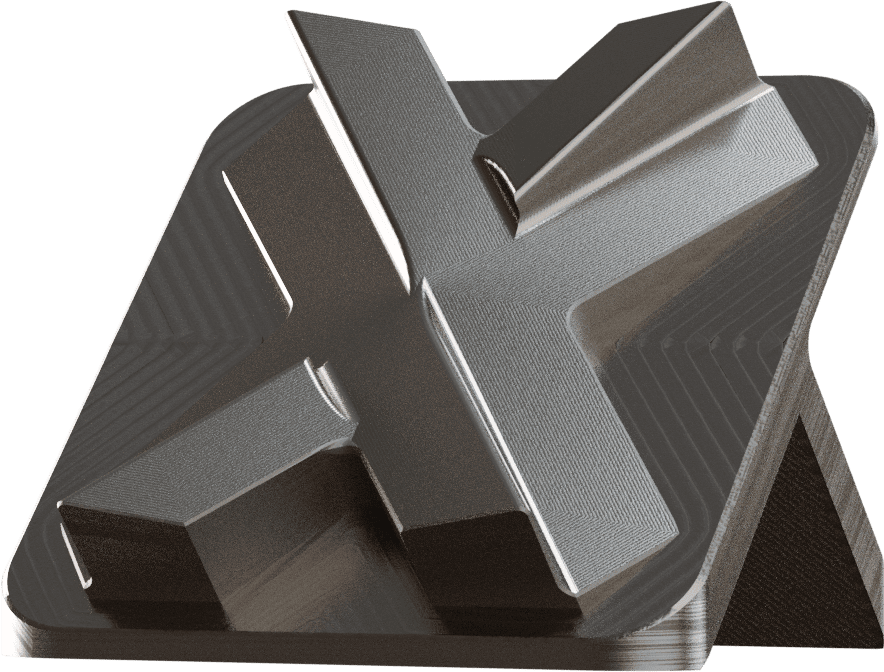
Electroless nickel plating provides a uniform nickel coating, which offers protection from corrosion, oxidation, and wear on irregular surfaces.
Final result:
- Protection from corrosion, oxidation and wear on irregular surfaces
- Brighter appearance

Gold plating
Gold Plating provides good corrosion and tarnish resistance. Gold has low contact resistance, excellent conductivity, and solderability.
Final result:
- Gold-like appearance
- Increased corrosion and tarnish resistance


Black oxide
Black oxide is a type of conversion coating for ferrous materials, such as steel and stainless steel, which blackens the top layer of the material. It can be used to reduce reflection and glare, as well as provide some additional corrosion resistance without affecting part dimensions.

Case-hardening (Carburising)
A heat treatment process which includes hardening the surface of metal while allowing the metal underneath to remain soft. As the name implies, carburising is inducting carbon or nitrogen into low-carbon alloys at elevated temperatures so that the hardenability increases.
cnc turning-ove
Overview: What is CNC?
The Basics Of CNC Turning
CNC turning is a technology of computer-controlled machining that produces parts by rotating a solid workpiece, while fixed cutting tools remove material from the workpiece and shape the final part. All the actions are performed automatically according to the CAD models uploaded to the CNC lathe.
Learn more about CNC machining from our guide.
Capacities
CNC Machining
Sheet Metal
3D Printing
Die Casting
Injection Moulding
Urethane Casting
Surface Finishing
High-Volume Manufacturing
Rapid Prototyping
© Shing Long Precision Machinery Co., Ltd(Founded in 2009)
Contact
 +86-13539882183
 sales@shinglongpm.com
 No. 5, South Side of Longtou Industrial Zone, Hudi Road, Jinping District, Shantou City GD province China.


点击右上角
分享给朋友吧
